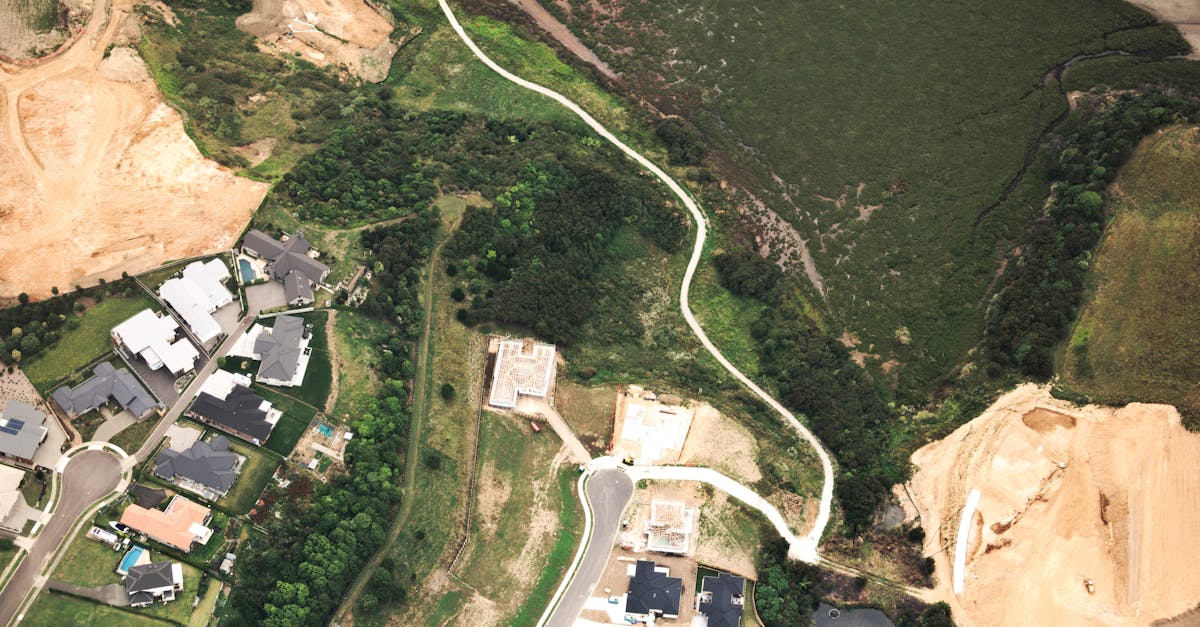
The Role of Satellite Technology in Australian Land Surveys
Table Of Contents
Challenges in Implementing Satellite Surveys
Satellite surveys, while proficient in gathering vast amounts of data, often encounter significant challenges during their implementation. One primary issue is the dependency on technology that may face obstructions from buildings, trees, or even atmospheric conditions. For instance, dense urban environments can hinder the effectiveness of satellite signals, resulting in inaccuracies that can affect land measurements. Furthermore, the reliability of satellite data can be compromised by weather phenomena, such as heavy rain or fog, which can distort signals and reduce visibility.
Another considerable challenge lies in the high initial costs associated with satellite survey technology. Equipment, software, and training necessary for effective implementation can represent substantial investments for surveying firms. This financial barrier can limit access for smaller companies or individuals seeking to utilise advanced satellite surveying methods. Additionally, the swift pace of technological advancements can lead to rapid obsolescence of equipment, placing further financial strain on those trying to stay updated with the latest tools in this field.
Technical Limitations and Environmental Factors
Satellite technology significantly enhances the precision of land surveys, yet it is not without its hurdles. One major challenge involves the accuracy of positioning data, which can be affected by atmospheric conditions. Factors such as ionospheric disturbances or heavy cloud cover can lead to signal degradation, consequently impacting the reliability of the measurements. Additionally, multi-path effects, where signals bounce off surfaces before reaching the receiver, can introduce errors.
The effectiveness of satellite surveying can also be influenced by topographical features. Dense vegetation, mountainous terrains, and urban environments with tall buildings can obstruct satellite signals. These obstacles may reduce the visibility of satellites and limit the availability of data for accurate land assessments. Addressing these technical limitations often requires supplementary methods, such as ground control points, which can help rectify the discrepancies in survey results caused by environmental factors.
Regulatory Framework for Satellite Surveys in Australia
Australia's approach to the regulatory framework governing satellite surveys is a multifaceted one. Various government agencies oversee the implementation and management of satellite technologies, ensuring that they adhere to national standards. The use of satellite data for land surveys is subject to strict regulations to protect privacy, ensure data accuracy, and promote sustainable practices. Compliance with these regulations is crucial for surveyors as they navigate the intersection of technology and legality.
The Australian government has established specific guidelines that delineate best practices for satellite survey operations. These guidelines not only address technical requirements but also consider ethical implications surrounding data collection. Surveyors must remain updated on evolving regulatory standards while also being cognisant of environmental policies that may affect their work. Adhering to these regulations helps maintain the integrity of land surveys and ensures that the continued use of satellite technology aligns with national interests.
Compliance and Best Practices
Regulatory compliance is crucial for effective satellite surveying in Australia. Surveyors must adhere to guidelines set forth by the Surveying and Spatial Sciences Institute (SSSI) and Geoscience Australia, ensuring that their methodologies align with national standards. Thorough documentation of all procedures, data processing, and outcomes contributes to maintaining transparency and credibility within the industry. Additionally, obtaining the appropriate licenses for satellite equipment and data usage is vital to avoid legal pitfalls.
Best practices encompass continuous professional development and embracing new technologies. Surveying professionals should engage in training sessions and workshops to stay updated on emerging tools and methods within the satellite surveying domain. Incorporating quality assurance protocols into the surveying process enhances the accuracy of results. Collaboration with other professionals and stakeholders fosters knowledge sharing, which can lead to the adoption of innovative techniques that improve operational efficiency and data reliability.
Future Trends in Satellite Surveying
Advancements in satellite technology are expected to revolutionise the surveying landscape. High-resolution imaging and improved GPS accuracy are enhancing the capabilities of land surveys, allowing for precise mapping of topography and land use. The integration of artificial intelligence with satellite data is set to streamline processing and analysis while enabling professionals to derive more actionable insights from gathered information. As drones continue to evolve, their synergy with satellites will facilitate more efficient data collection, especially in hard-to-reach areas.
Another promising avenue is the establishment of more robust satellite networks. Future constellations of small satellites will provide greater coverage and real-time data access, which enhances the accuracy of land surveys. This ongoing evolution will likely support remote sensing applications, environmental monitoring, and infrastructure management. The investment in satellite technology by both private and public sectors indicates a strong commitment to maintaining Australia's competitive edge in surveying techniques and methodologies.
Innovations on the Horizon
Emerging technologies are reshaping the landscape of satellite surveying, promising more accurate and efficient data collection methods. The integration of artificial intelligence and machine learning into satellite data analysis enhances the interpretation of complex geographical information. These innovations can reduce human error, streamline workflows, and increase the speed at which surveys are completed, making them more cost-effective for Australian land surveyors.
Additionally, the development of small satellites, or CubeSats, is playing a crucial role in expanding the capabilities of satellite surveys. Their lower launch costs and ability to capture high-resolution imagery provide a more accessible option for surveying remote areas. As the technology continues to evolve, partnerships between government, industry, and research institutions will likely foster further advancements, paving the way for a new era in land surveying in Australia.
FAQS
What are the main challenges faced in implementing satellite surveys in Australia?
The main challenges include technical limitations such as signal obstruction, environmental factors like weather conditions, and the need for compliance with regulatory frameworks.
How do environmental factors affect the accuracy of satellite surveys?
Environmental factors such as dense vegetation, urban structures, and atmospheric conditions can interfere with satellite signals, leading to reduced accuracy and reliability in survey results.
What regulations govern the use of satellite technology in land surveys in Australia?
The regulatory framework for satellite surveys in Australia includes guidelines set by the Surveyors Board, as well as national standards for geospatial data that ensure compliance with safety and operational protocols.
What are some best practices for ensuring compliance in satellite surveying?
Best practices include regularly updating equipment, adhering to national standards, conducting thorough training for personnel, and ensuring continuous monitoring of satellite data accuracy.
What future trends can we expect in satellite surveying technology?
Future trends include advancements in satellite resolution, the integration of artificial intelligence for data analysis, and the potential use of small satellites to enhance survey capabilities and reduce costs.
Related Links
Comparing GPS and GNSS Systems for Geolocation in SurveyingIntegrating GPS Solutions in Modern Land Surveying Approaches
Best Practices for Implementing GNSS Technology in Surveys
Future Innovations in GPS Applications for Land Surveyors
Understanding the Impact of GNSS Errors on Surveying Results
Harnessing Multi-Constellation GNSS for Comprehensive Surveys
Benefits of Real-Time Kinematic (RTK) GPS in Surveying Operations
Utilising GNSS for Enhanced Accuracy in Surveying Practice